PHAST-Net: Attention-Guided, Physics-Informed Network for Estimation of Ideal Time–Frequency Representations
James M. Cozens, Simon J. Godsill
2026 · Preprint; submitted to IEEE Transactions on Audio, Speech and Language Processing
Abstract
We introduce PHAST-Net, an attention-guided, physics-informed network for unified estimation of Ideal Time--Frequency Representations (ITFRs), spanning spectral, tempo-based, metrical, and harmonic representations such as Spectrograms, Tempograms, and Metrograms. PHAST-Net learns a mapping from a constellation of wavelet transforms, specifically the proposed Continuous Log-frequency Adaptive Wavelet Transform (CLAWT), to high-resolution, cross-term-suppressed time-frequency representations. The proposed constellation of CLAWTs is strategically selected through Wigner--Ville kernel analysis to provide orientation-diverse coverage in a log–frequency time–frequency plane tailored to harmonic signal structure. PHAST-Net further incorporates a proposed physics-informed auxiliary reprojection loss designed to match the CLAWT-domain reprojections of the predicted and target ITFRs using the corresponding CLAWT kernels during training. This auxiliary objective promotes transform and energy-distribution consistency, mitigates target sparsity, and regularises optimisation. Attention layers further promote effective cross-term suppression across the input constellation. The log-frequency formulation also enables Harmonic PHAST-Net, which estimates a Harmonic ITFR that isolates fundamental structure, supporting robust fundamental-only representations for speech and music, such as derived fundamental Tempograms and Metrograms. We further introduce Spline-PHAST-Net, which parameterises detected and associated time–frequency ridges as continuous spline trajectories, enabling arbitrary-grid re-rendering and signal reconstruction. Trained on a procedurally generated dataset, PHAST-Net demonstrates improved accuracy over representative time--frequency analysis methods, providing a unified framework for high-resolution, cross-term-robust analysis of speech, music, and broader nonstationary signals.
Manuscript
Accompanying media
Synthetic waveform example (provided in the paper)
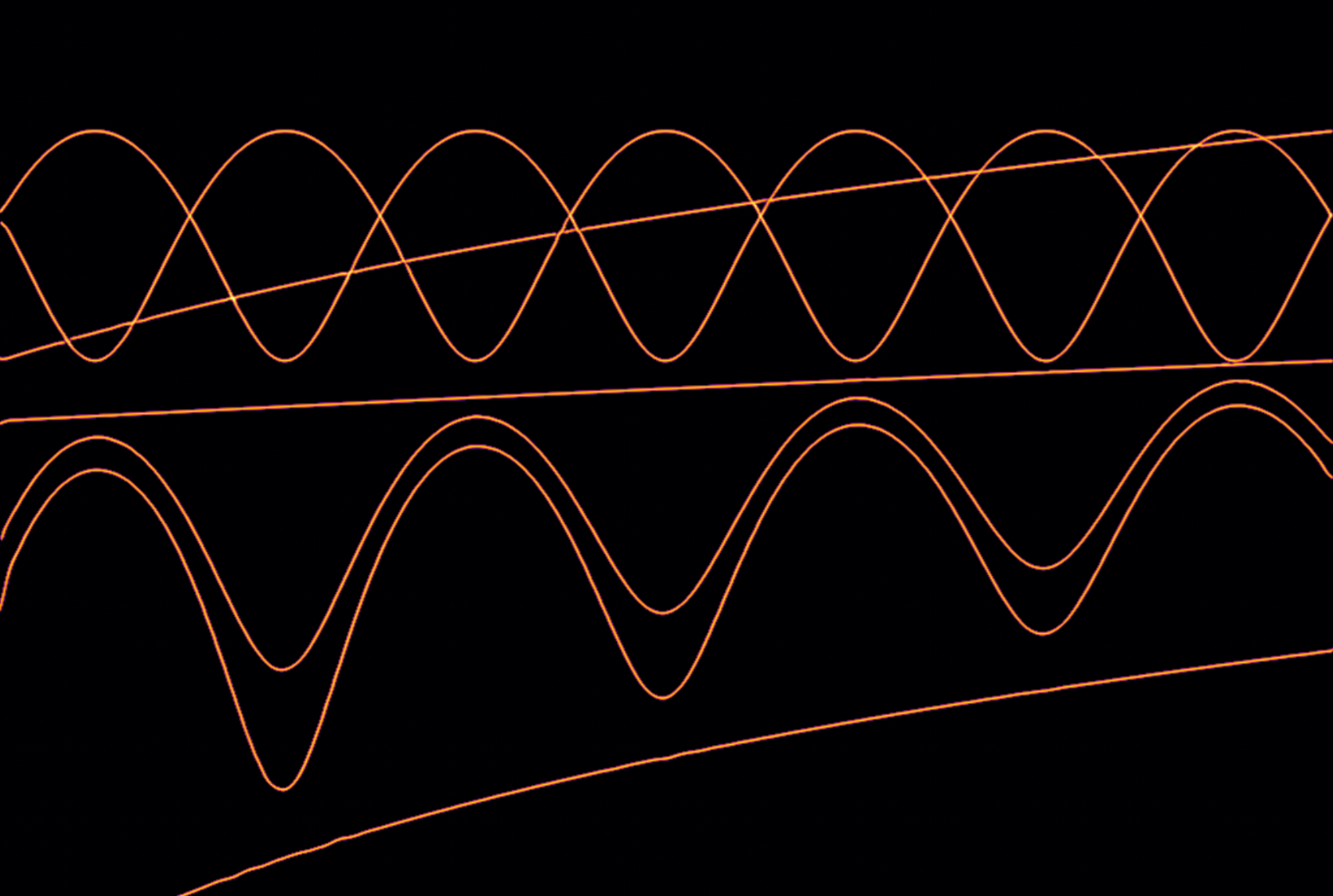
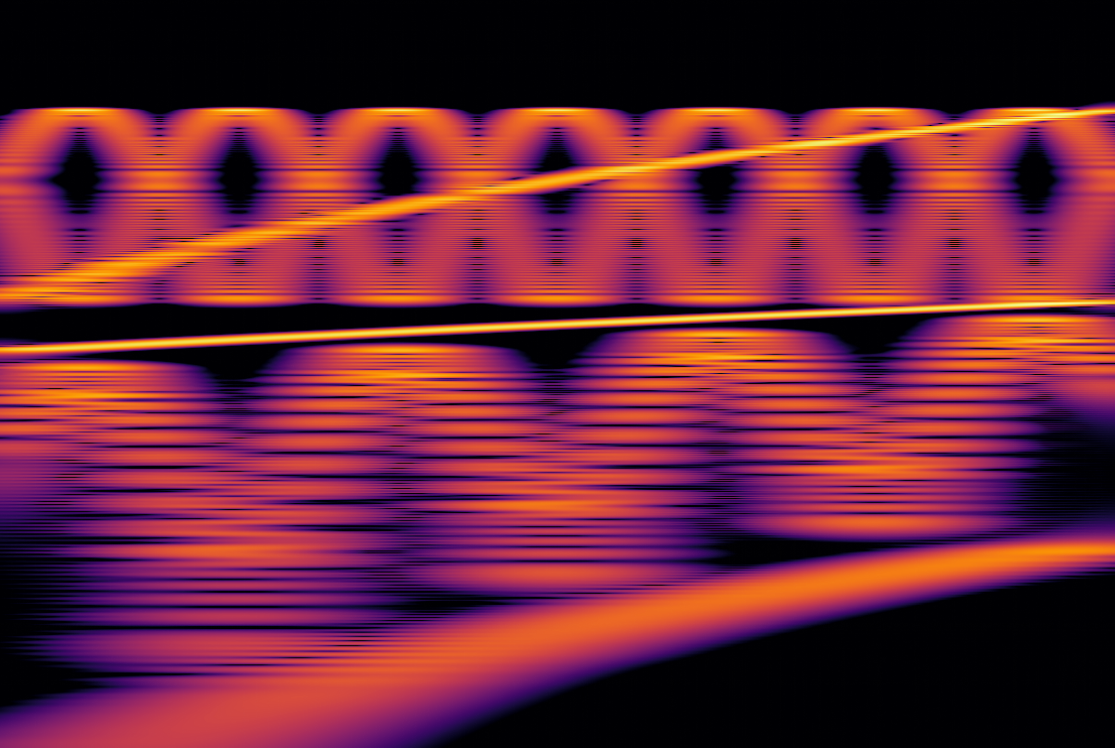
Comparison between an input CLAWT representation (member 2) and the PHAST-Net output
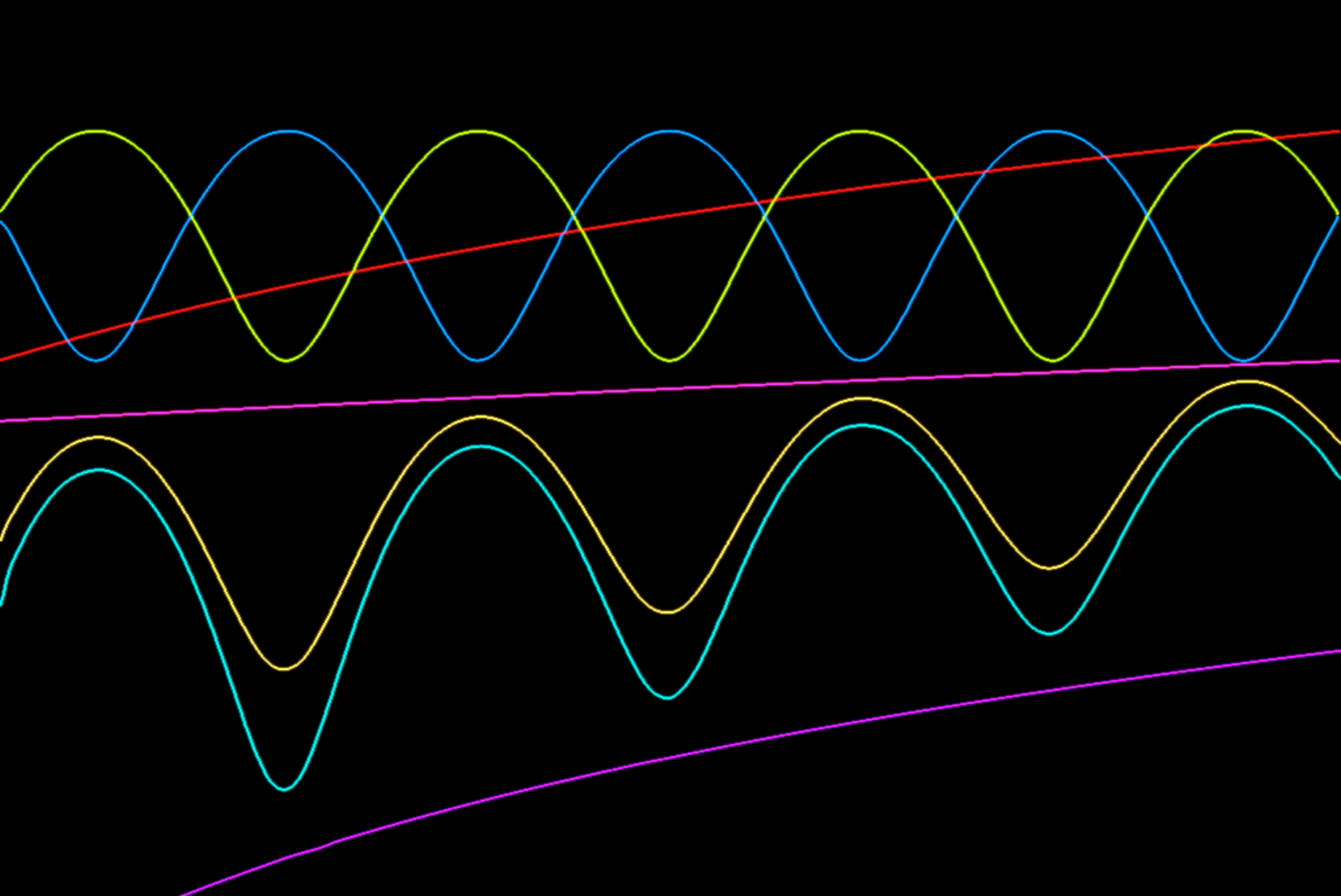
Comparison between an input CLAWT representation (member 2) and the tracked Spline-PHAST-Net components
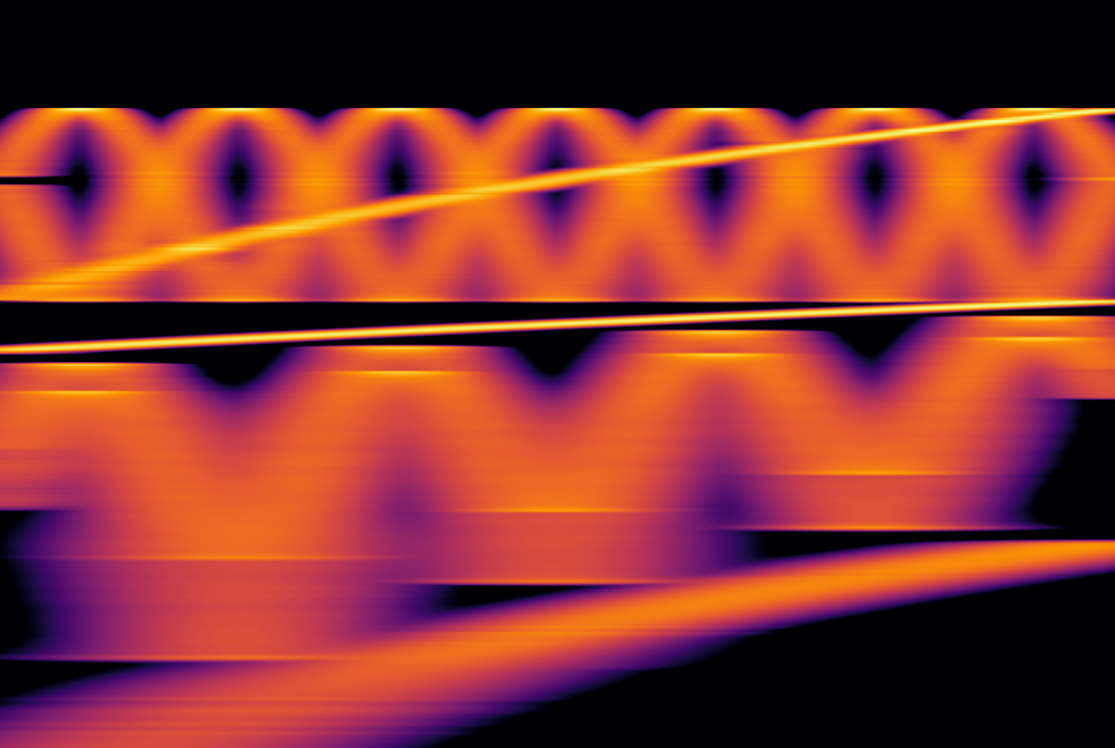
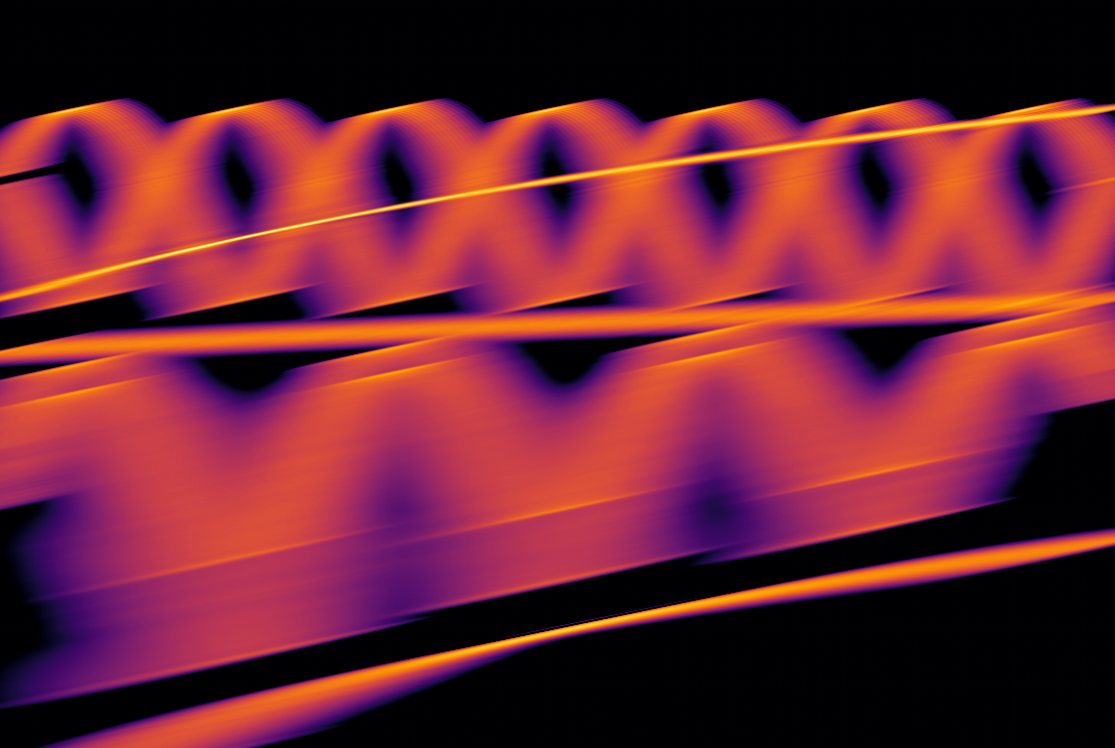
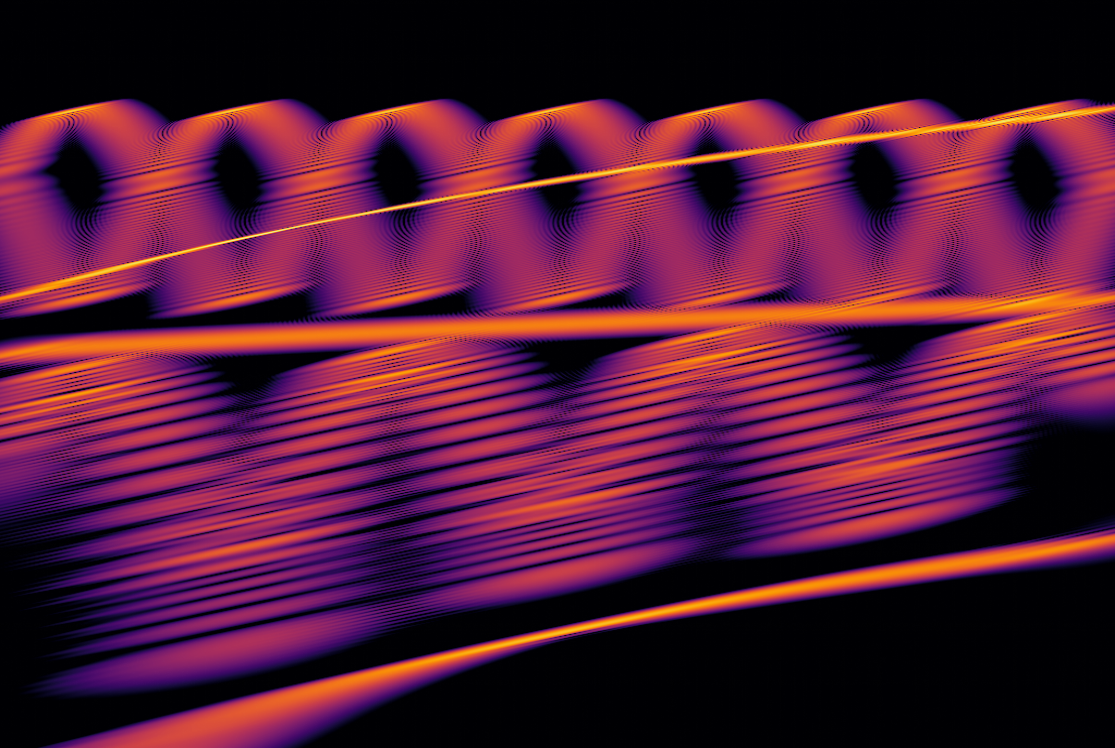
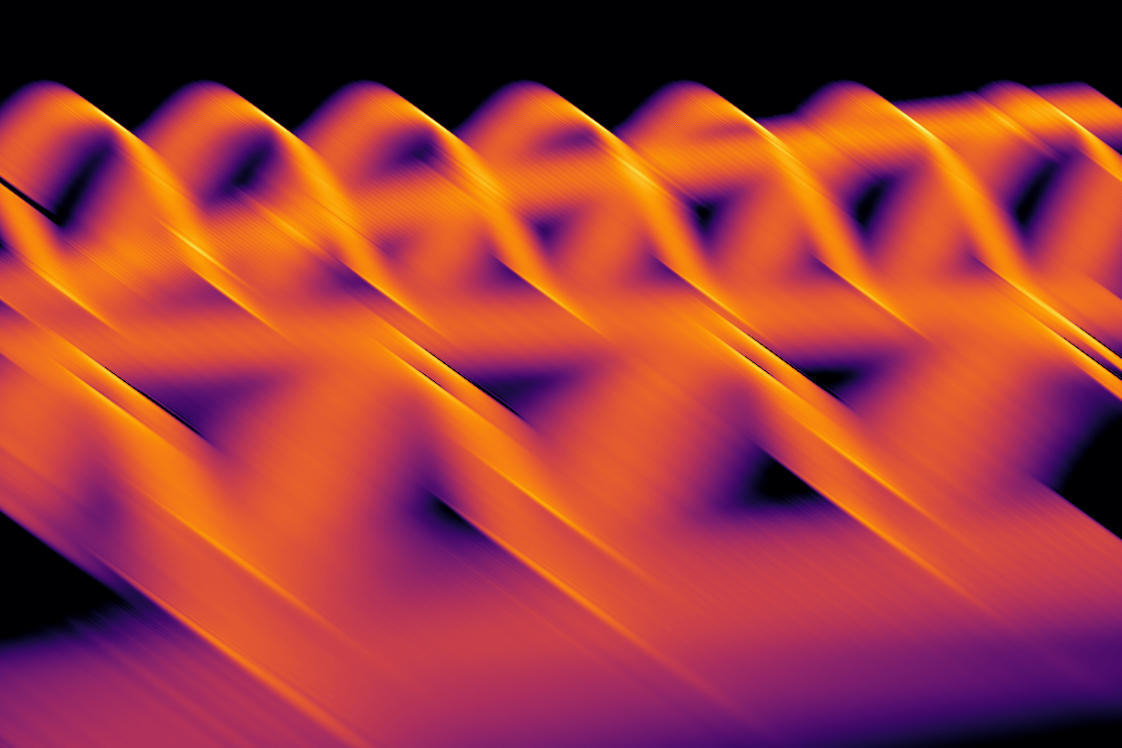
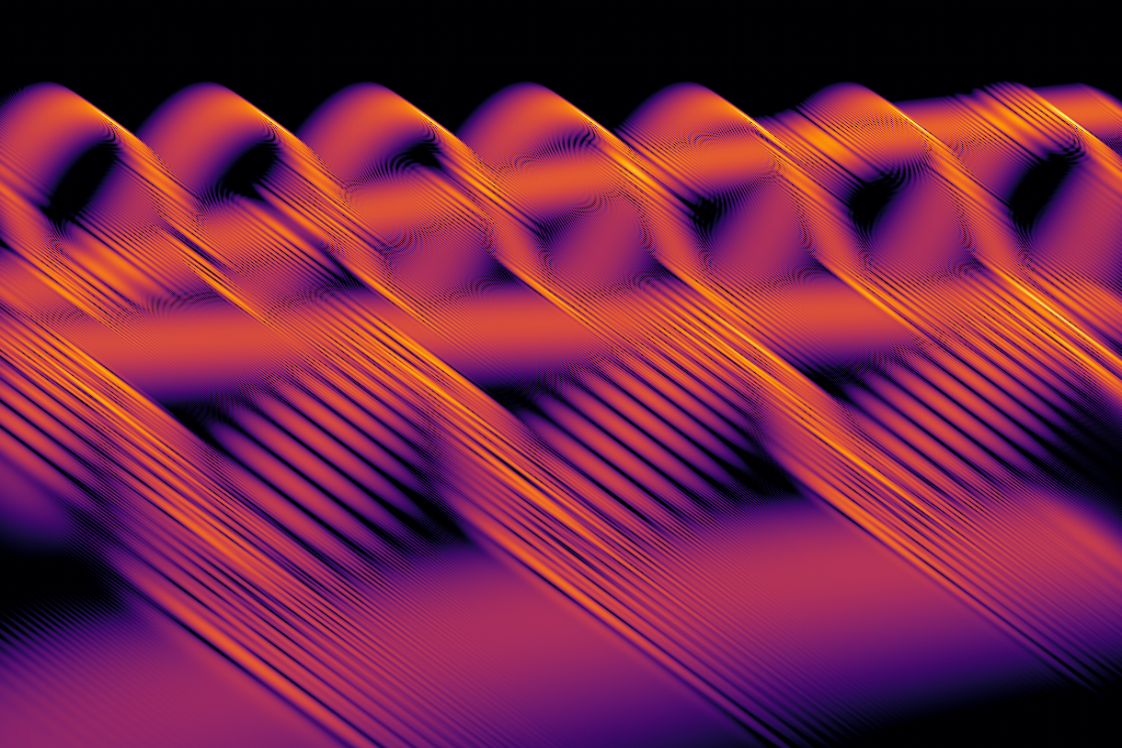
Comparisons between various members of the input CLAWT constellation and the corresponding predicted cross-term free CLAWTs
Speech example (speech excerpt from the Harvard sentences database)
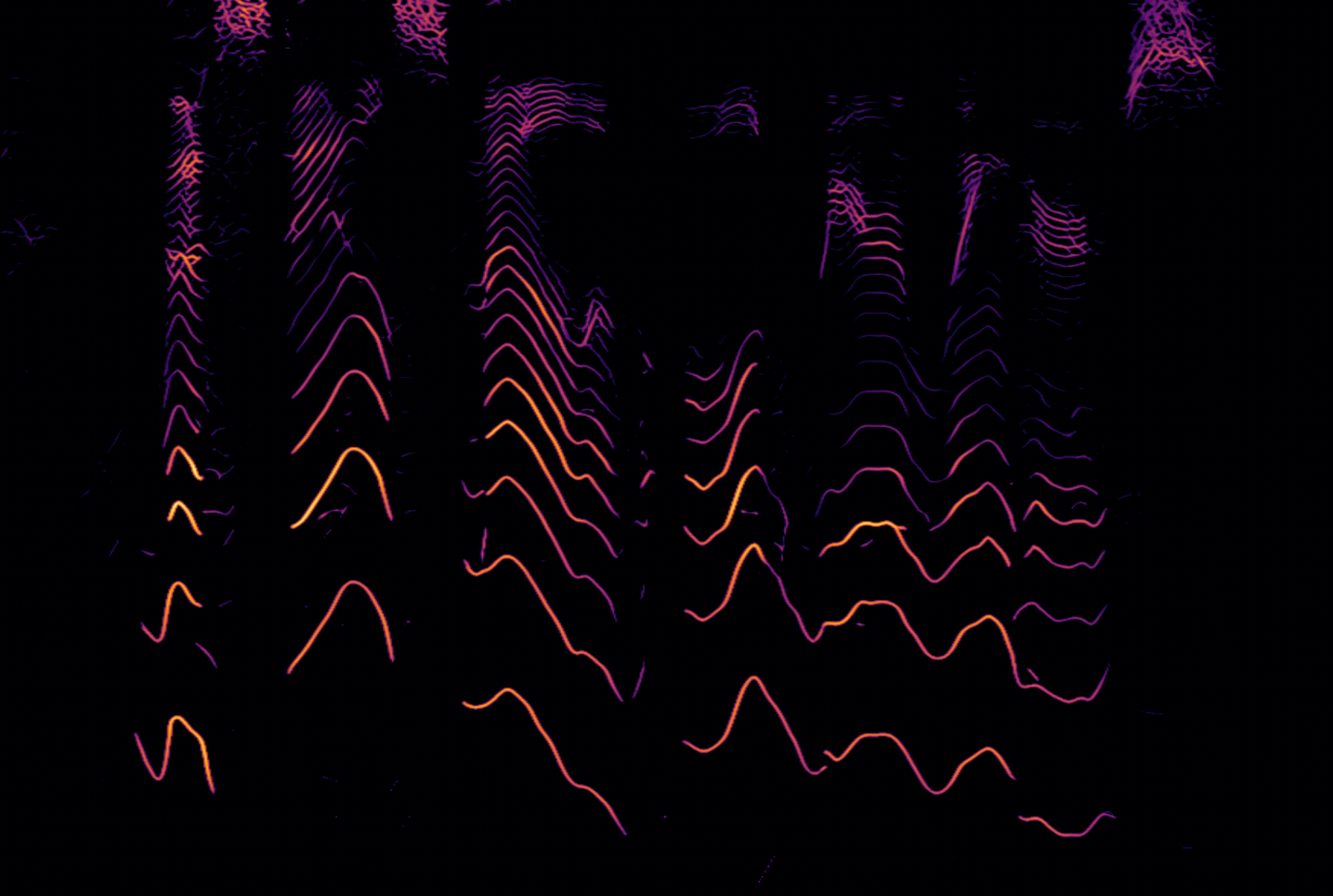
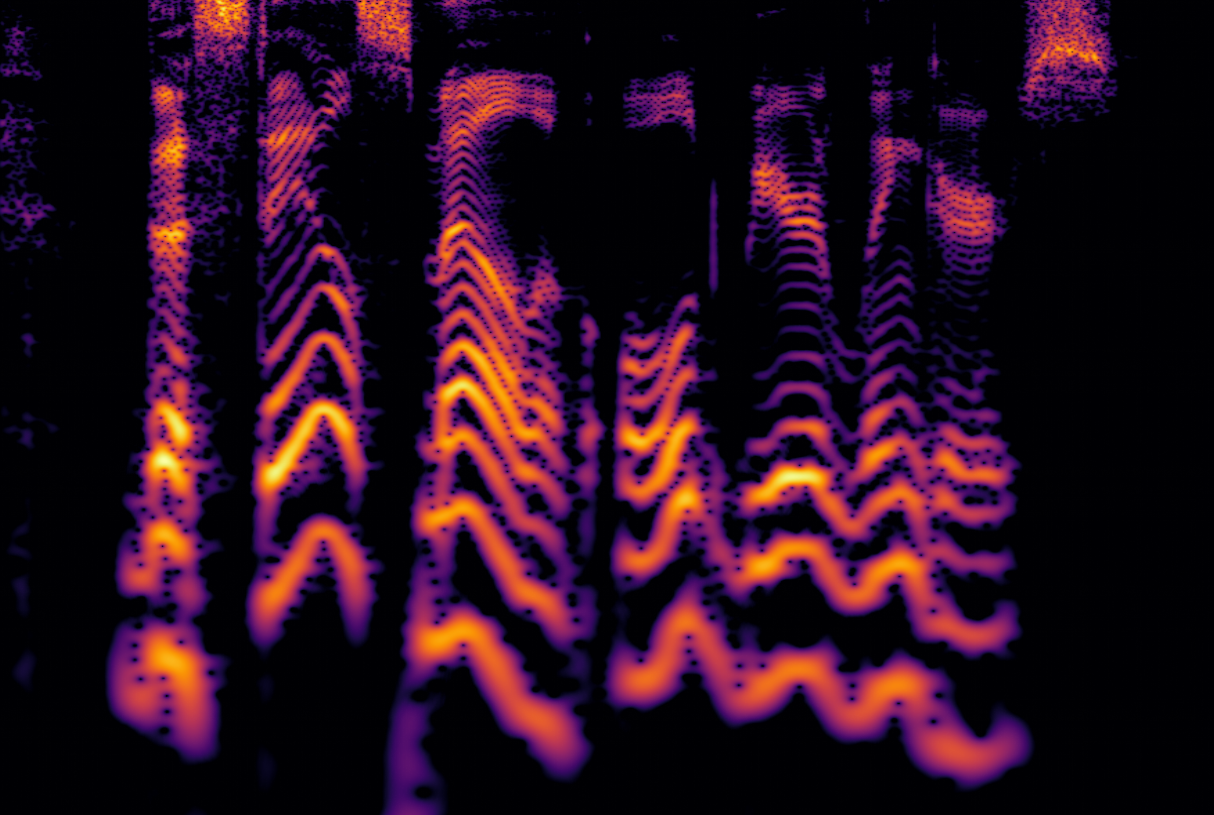
Comparison between an input CLAWT representation (member 1) and the PHAST-Net output
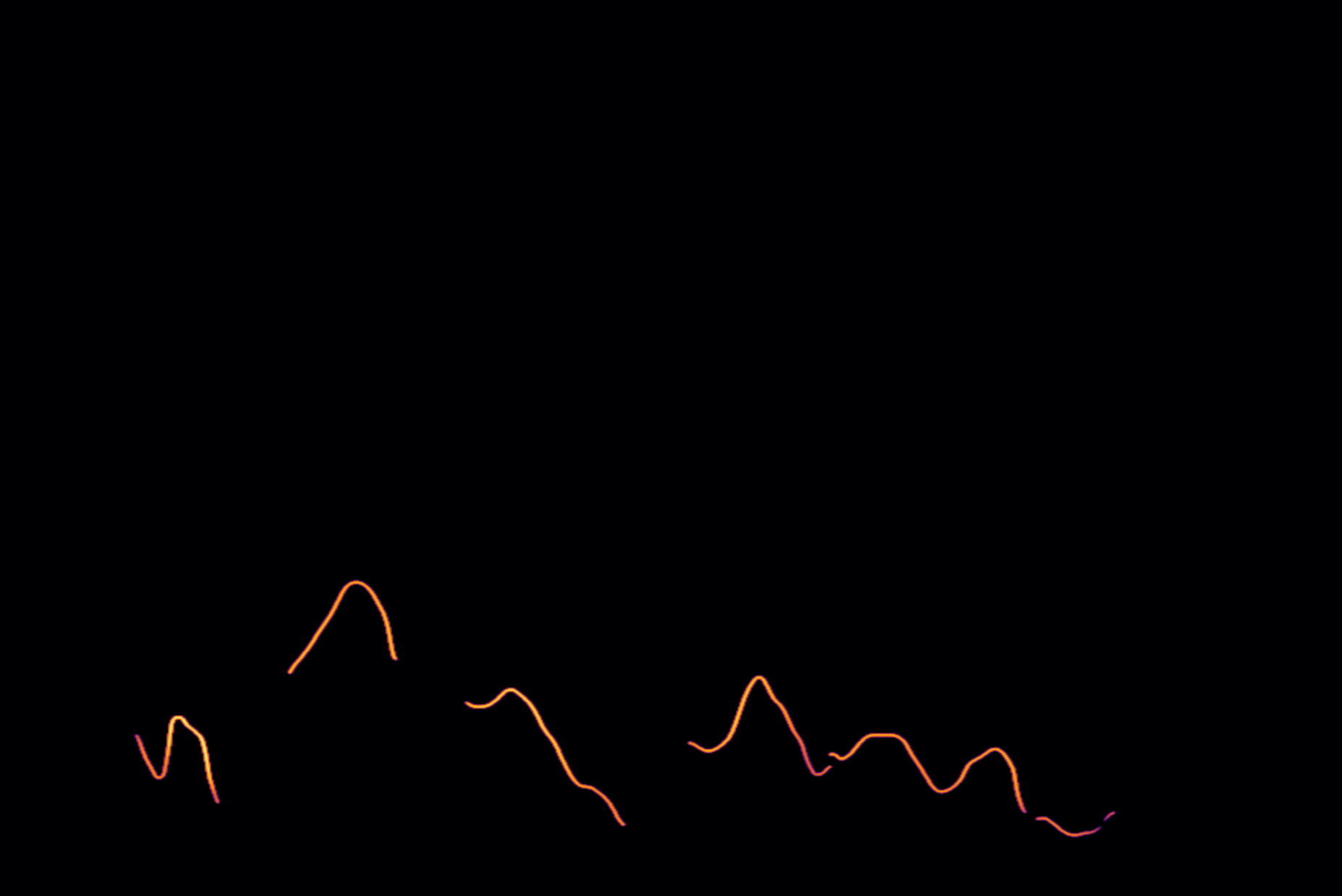
Comparison between an input CLAWT representation (member 1) and the Spline-Harmonic-PHAST-Net output
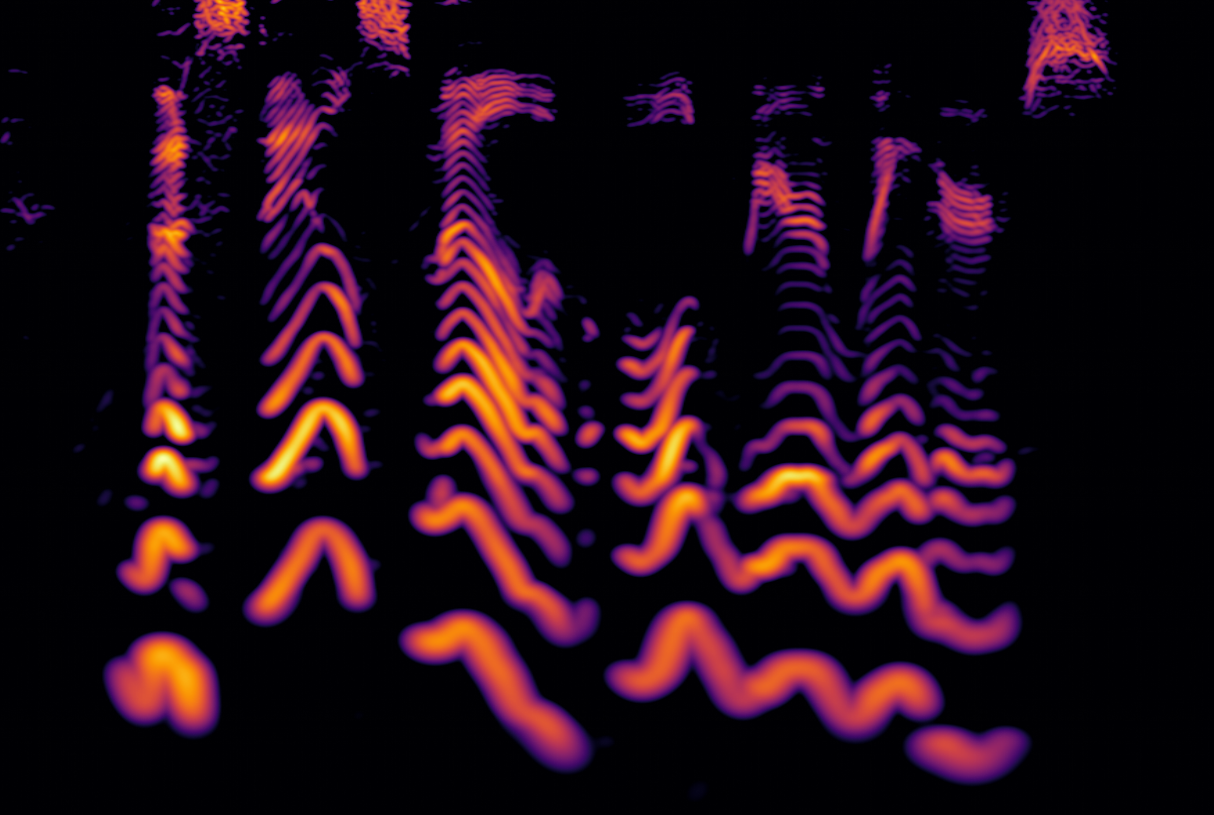
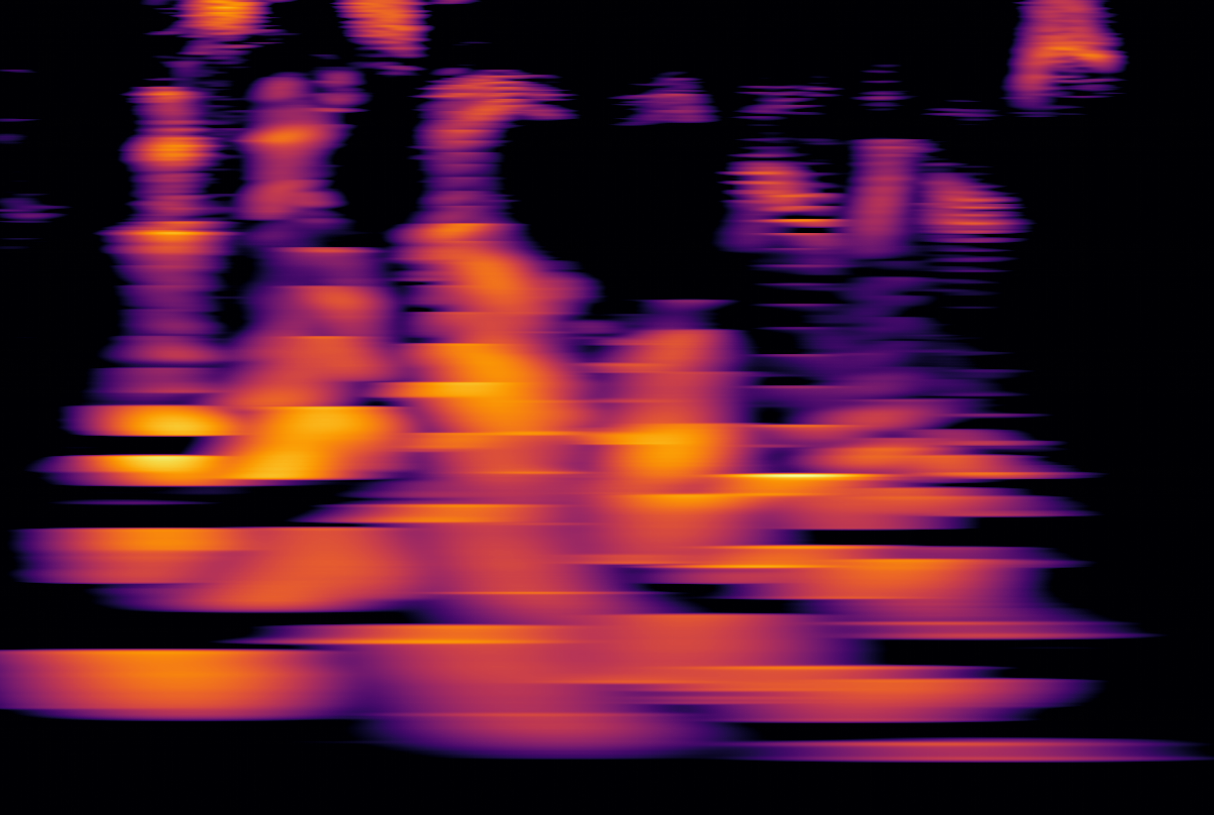
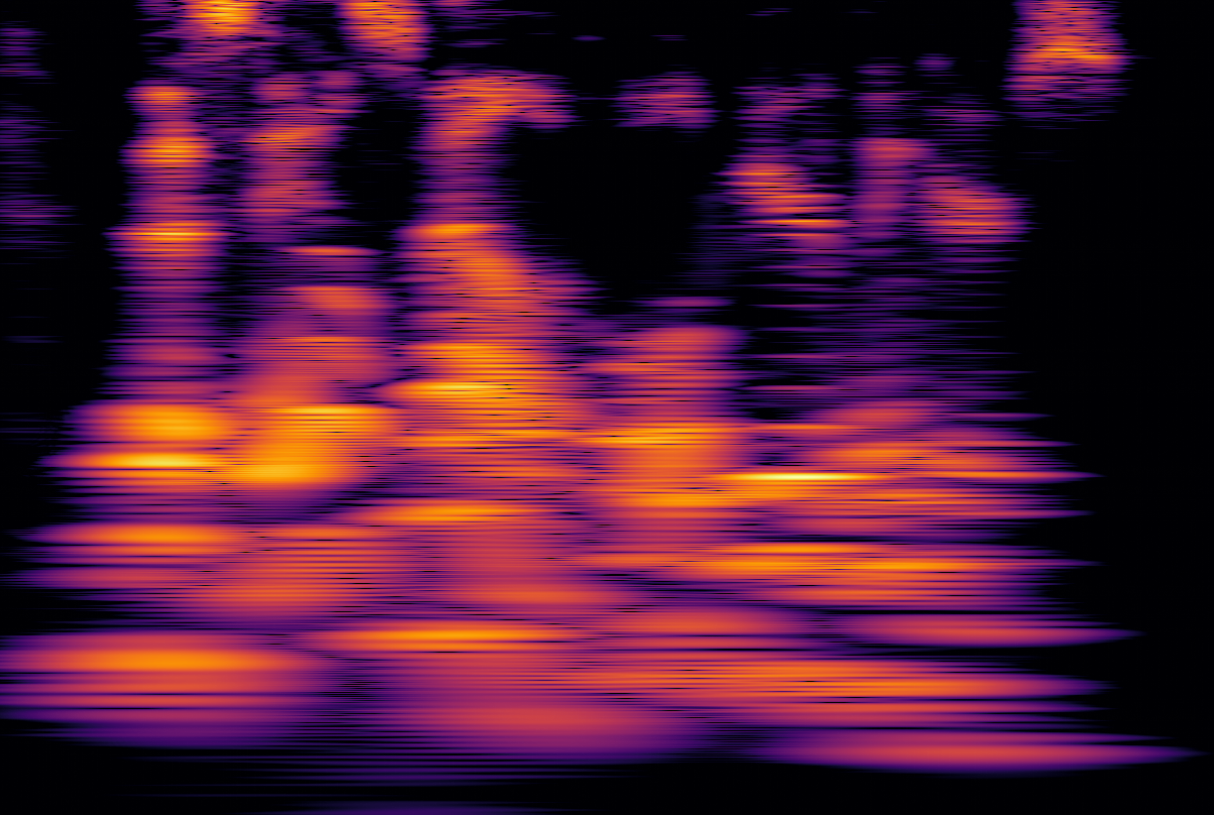
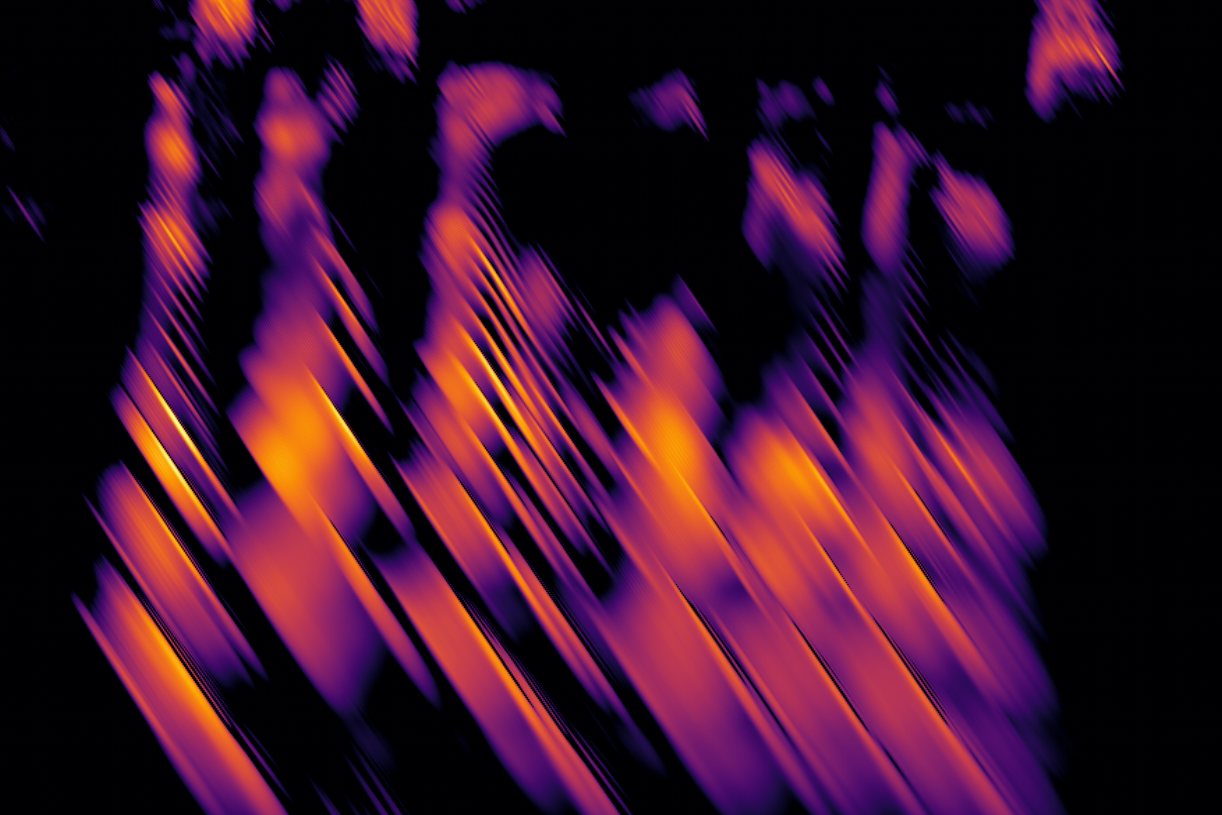
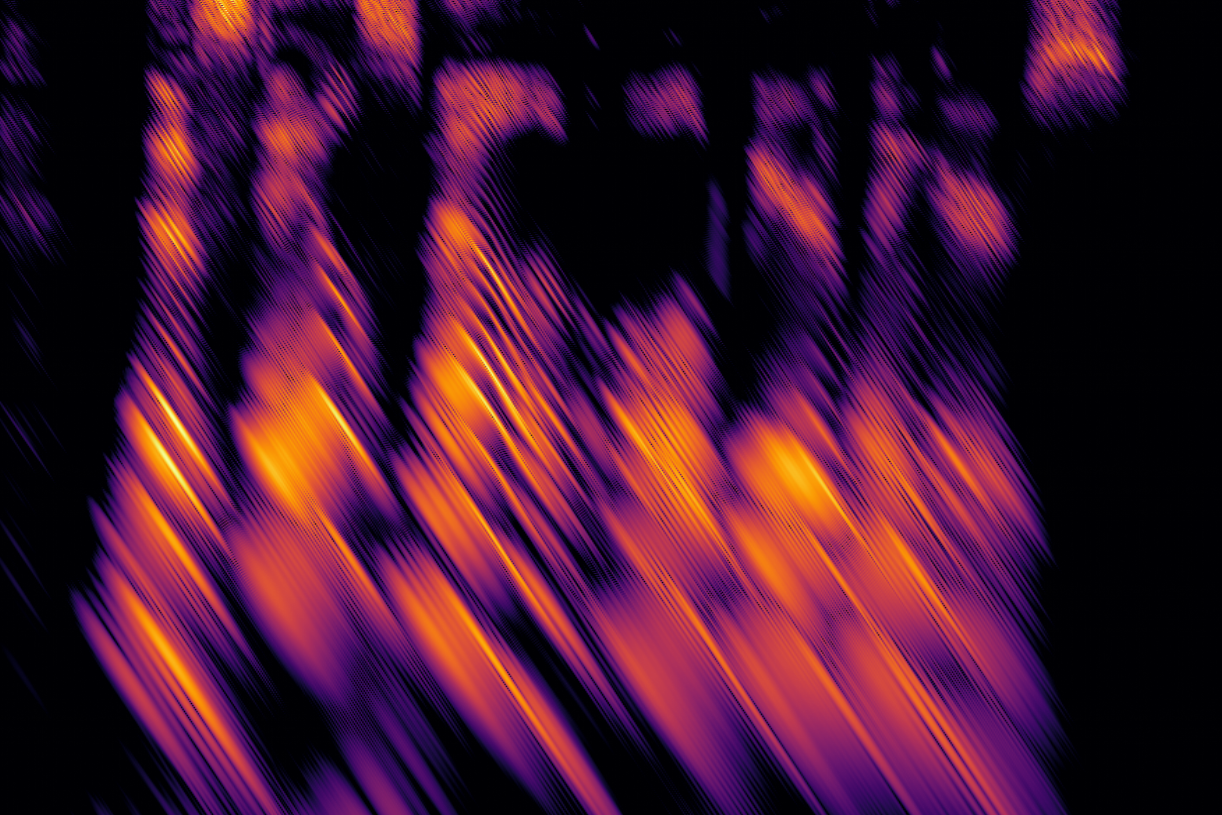
Comparisons between various members of the input CLAWT constellation and the corresponding predicted cross-term free CLAWTs
Video demonstrations
A visualisation of the PHAST-Net framework applied to an excerpt from Fabienk by Angine de Poitrine
A visualisation of the PHAST-Net framework applied to a full speech excerpt from the Harvard sentences database